Saturday, February 19, 2022

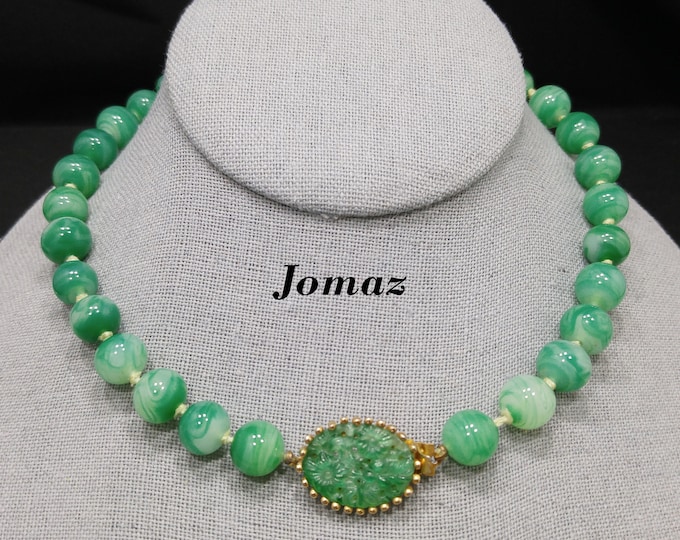
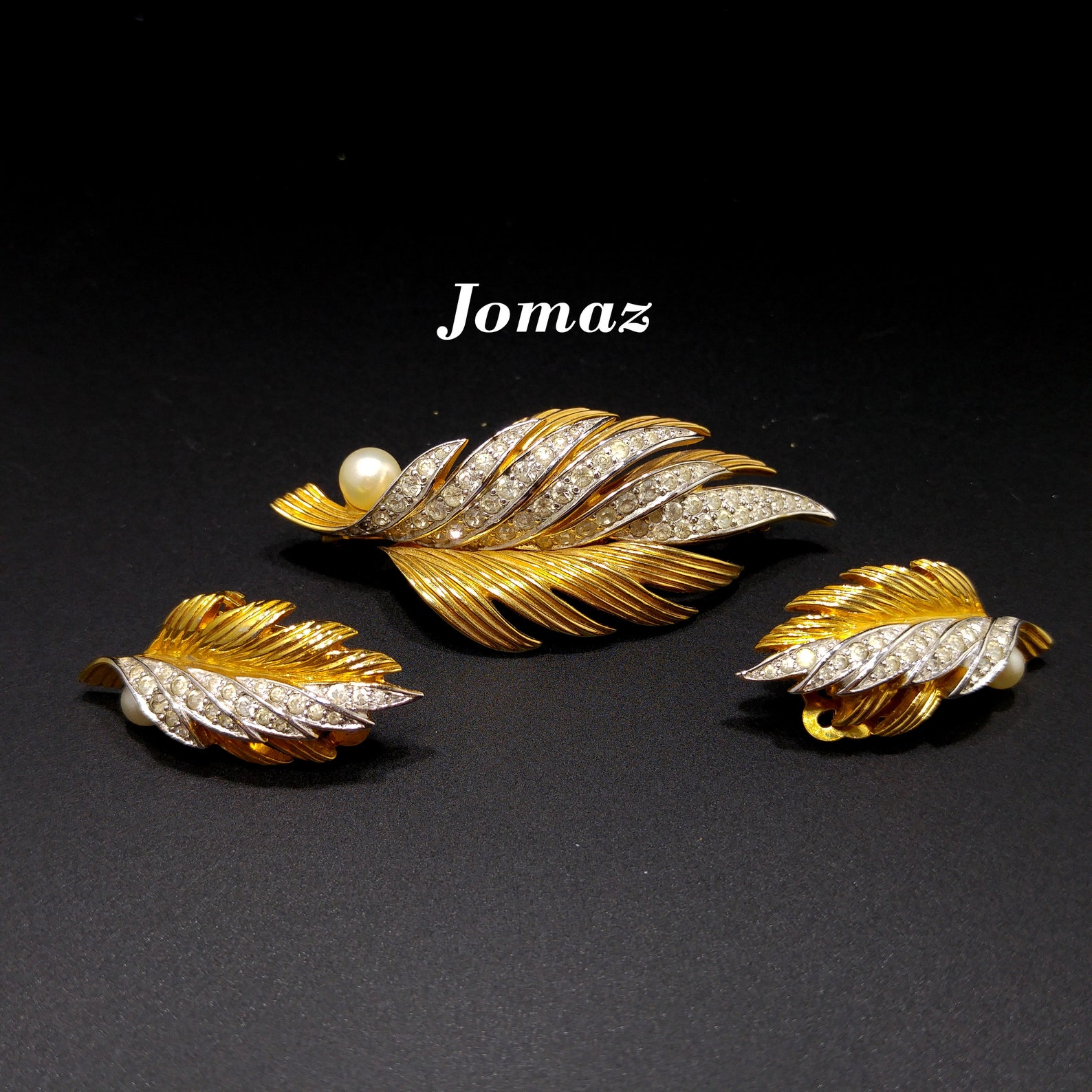
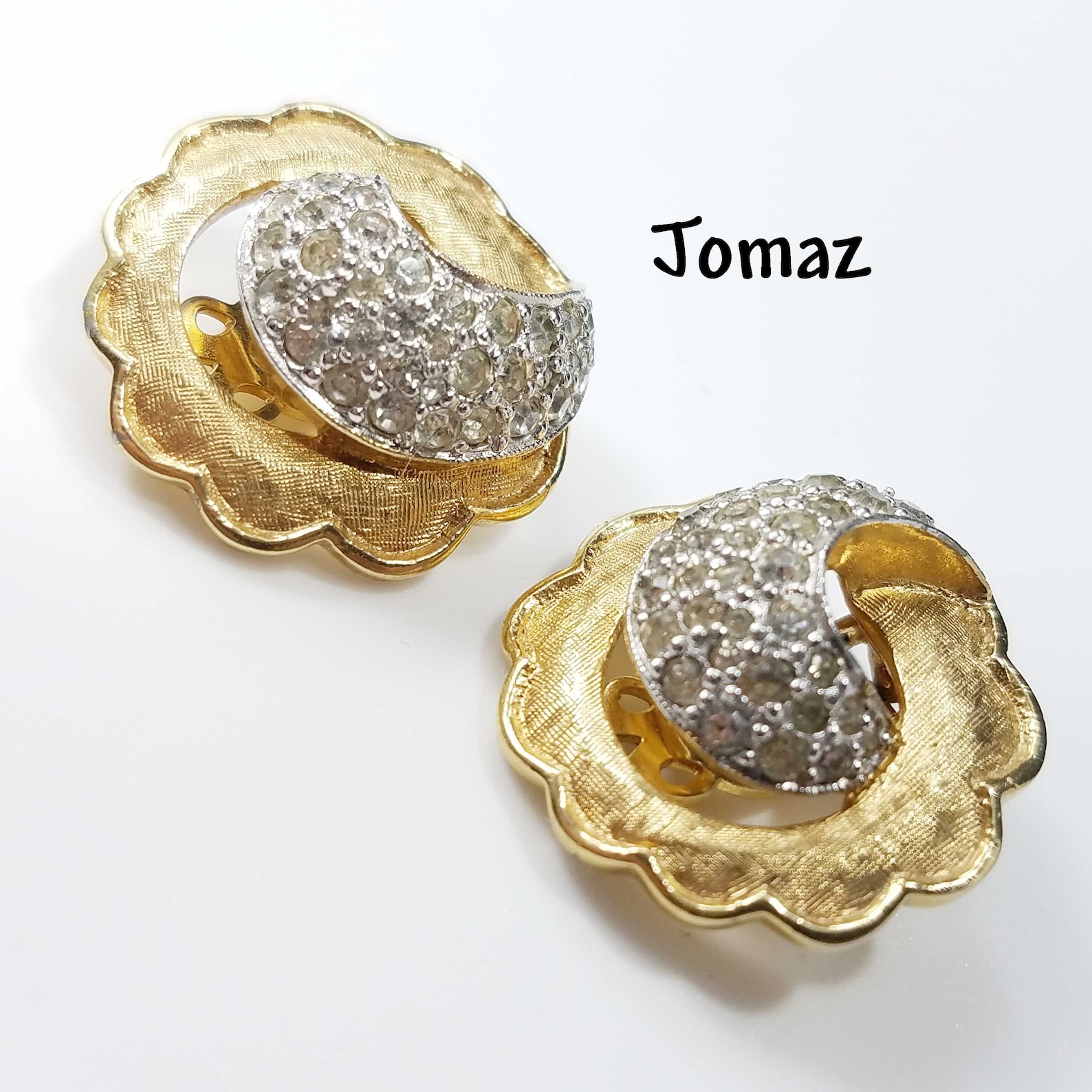
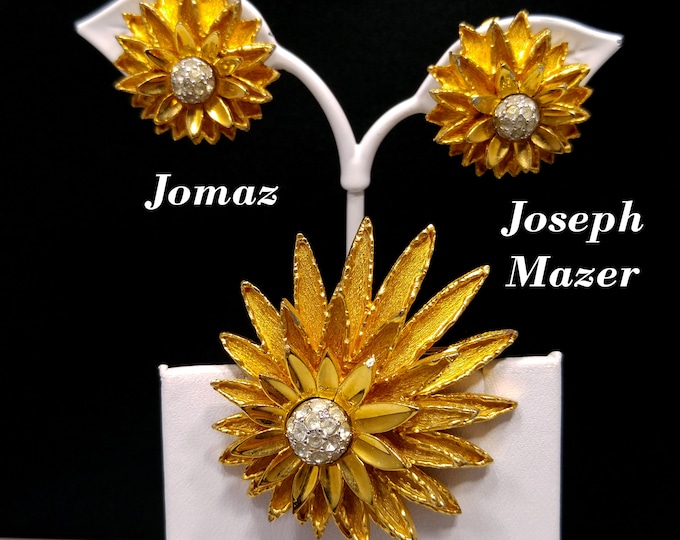
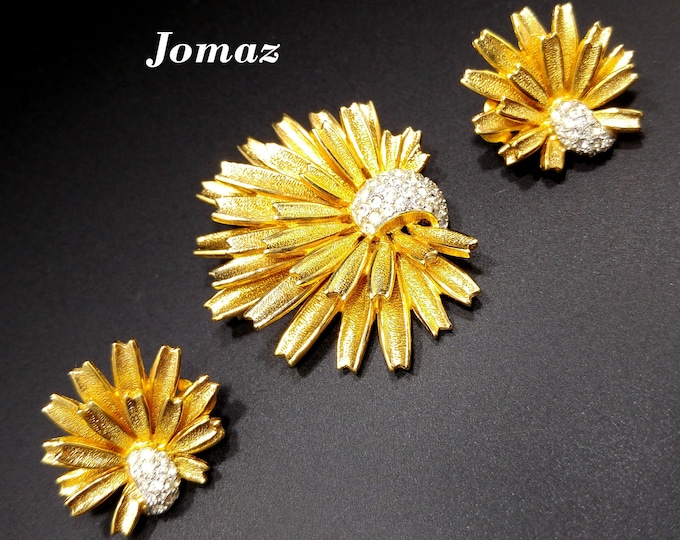
Joseph Mazer - Jomaz

 In 1923, Joseph Mazer and his brother Lincoln founded Mazer Brothers in New York. Their line of costume jewelry was first produced in 1927.  Early Mazer jewelry was created by master designers such as Marcel Boucher. Mazer brothers insisted on using the highest quality materials in their jewelry construction. After 1946, the brothers split the business.  Joseph founded Joseph J. Mazer Company and marked their jewelry “Jomaz” or “Joseph Mazer” and were in business through 1981.  Lincoln continued to produce jewelry and sign it “Mazer Bros” until 1951.  This information was shared by Julia C. Carroll in Costume Jewelry 101.

Mazer jewelry is beautiful and a high quality of vintage jewelry. Most that I have found tested at gold plated surface metal. We are always happy when we find jewelry marked Joseph Mazer or Jomaz.


Happy Collecting! 


Friday, February 4, 2022

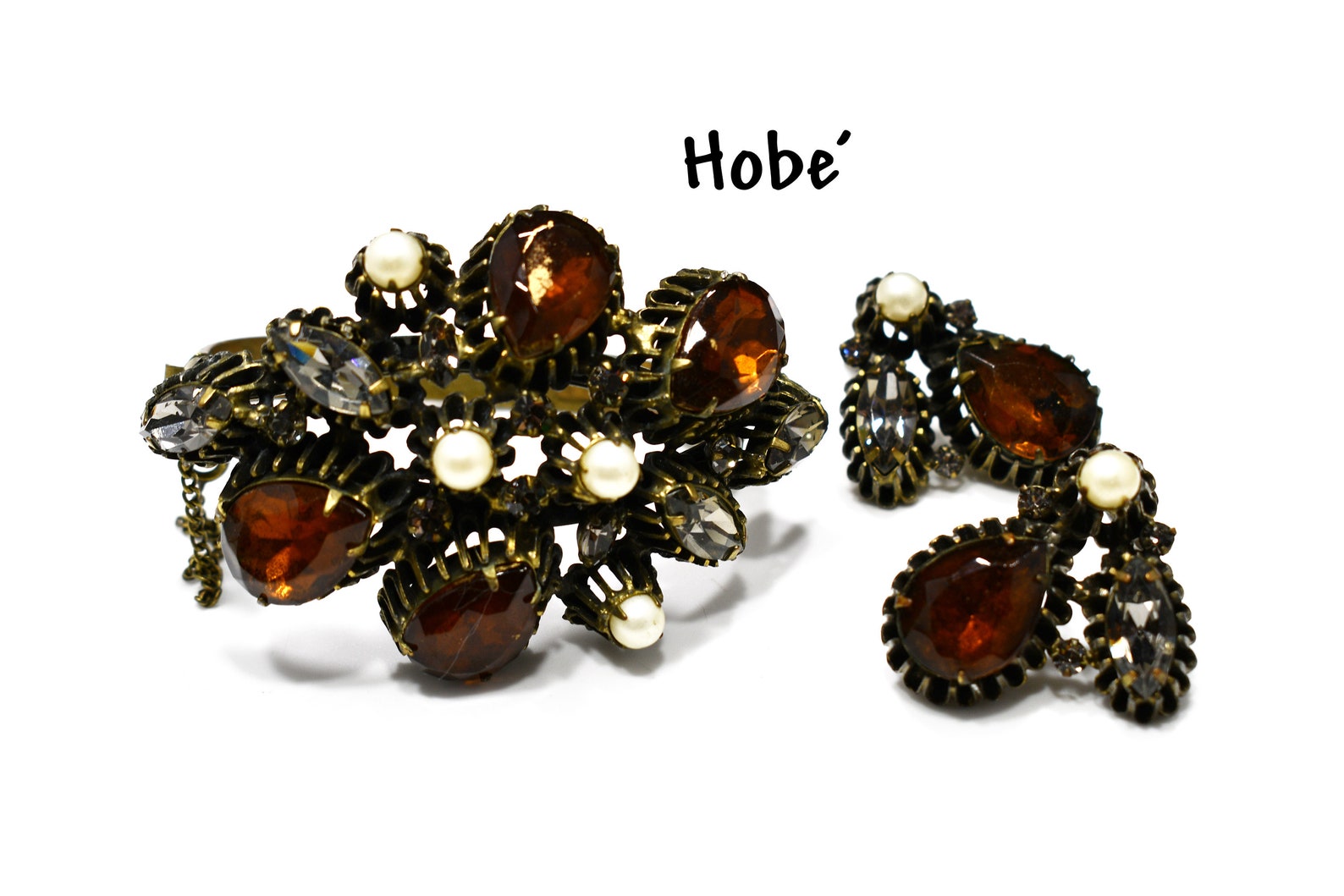
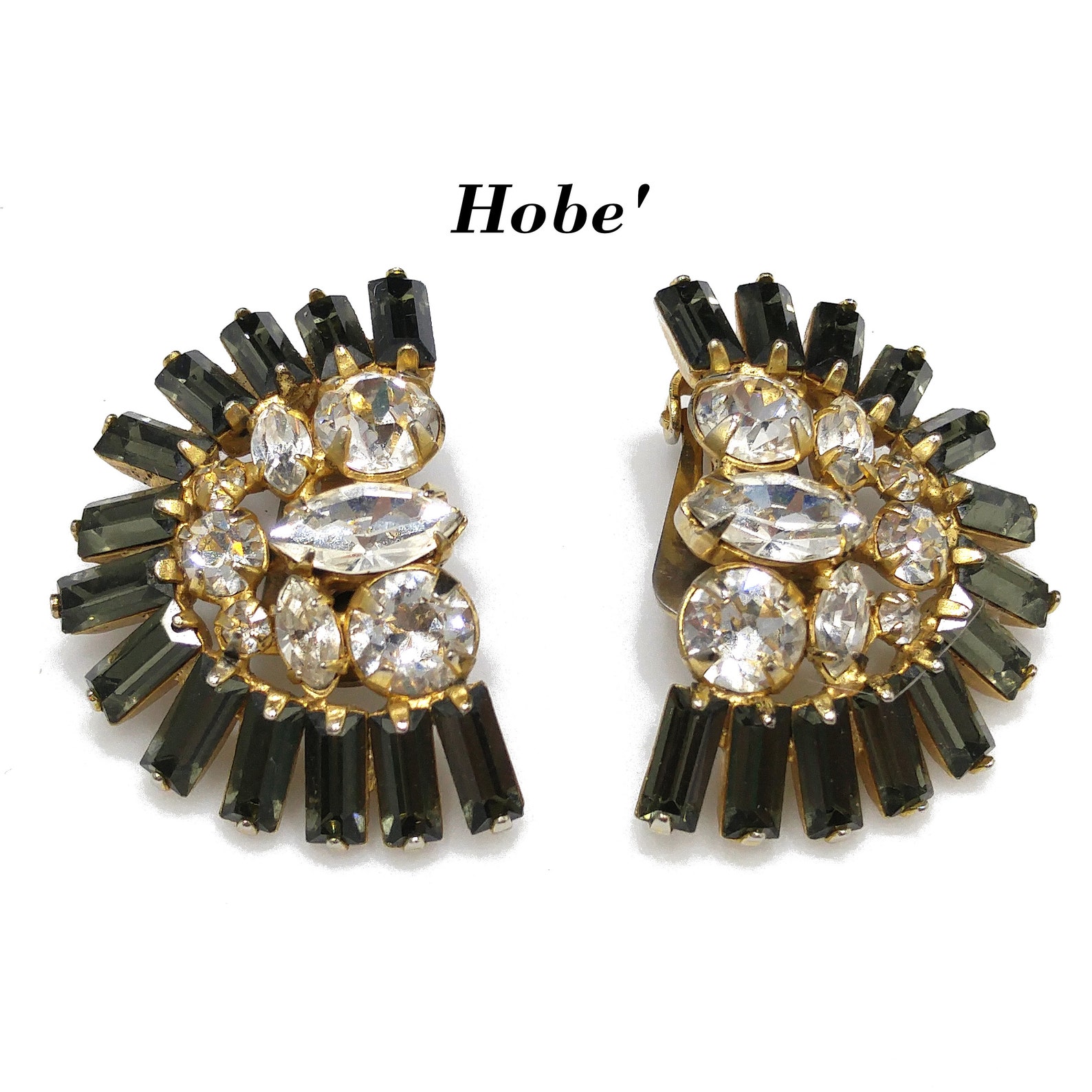
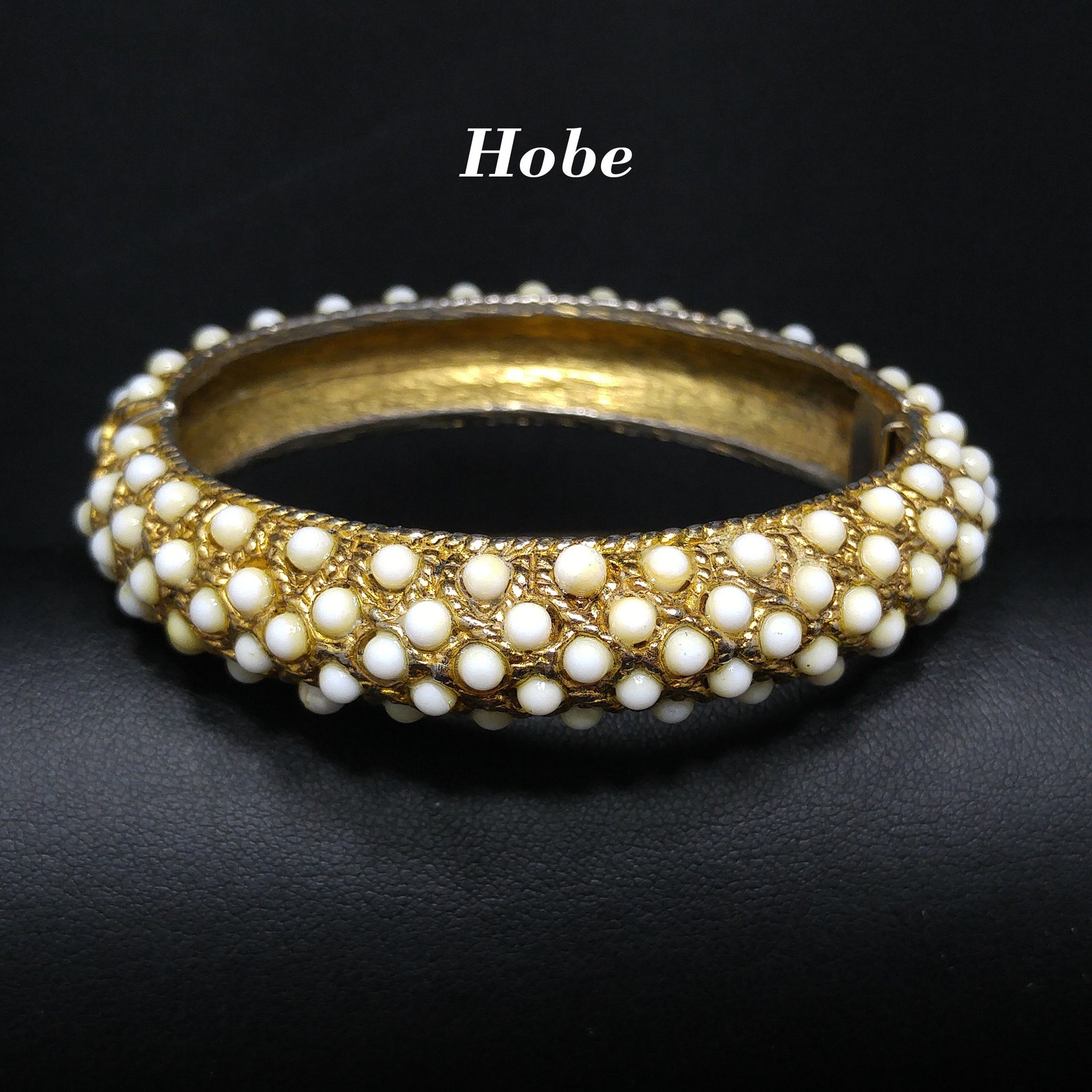
Hobe' Jewelry

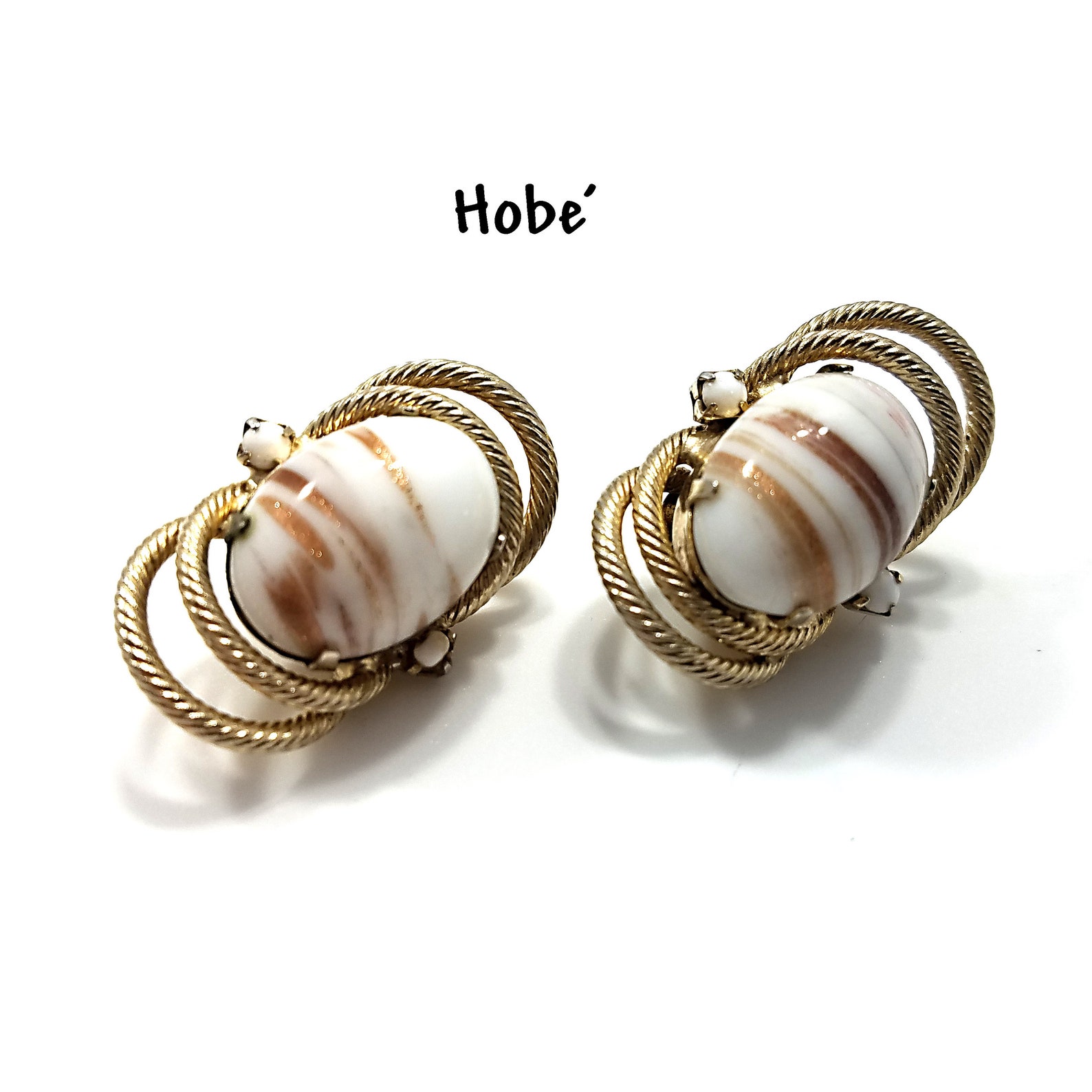
 The original Hobe’ family was in business in the US from 1927 to 1995. William Hobe’ immigrated to the United States from France.  His father Jacques Hobe’ was a well known designer of fine jewelry in France.  William began his career in the US by selling theater costumes. Some were sold to Ziegfield of the Ziegfield Follies in New York. Mr. Ziegfield asked William to create real looking jewelry for the show. Under the direction of the Hobe family, Hobe’ jewelry enjoyed many years as a premier manufacturer of costume jewelry.  Much of his jewelry was often hand made with high quality materials. Some Hobe’ slogans were “Jewels of Hobe’” and “Jewels of Legendary Splendor”.

Reference: Costume Jewelry 101 by Julia C Carroll.

Below are images of our past and present Hobe jewelry:


Whiting & Davis Jewelry

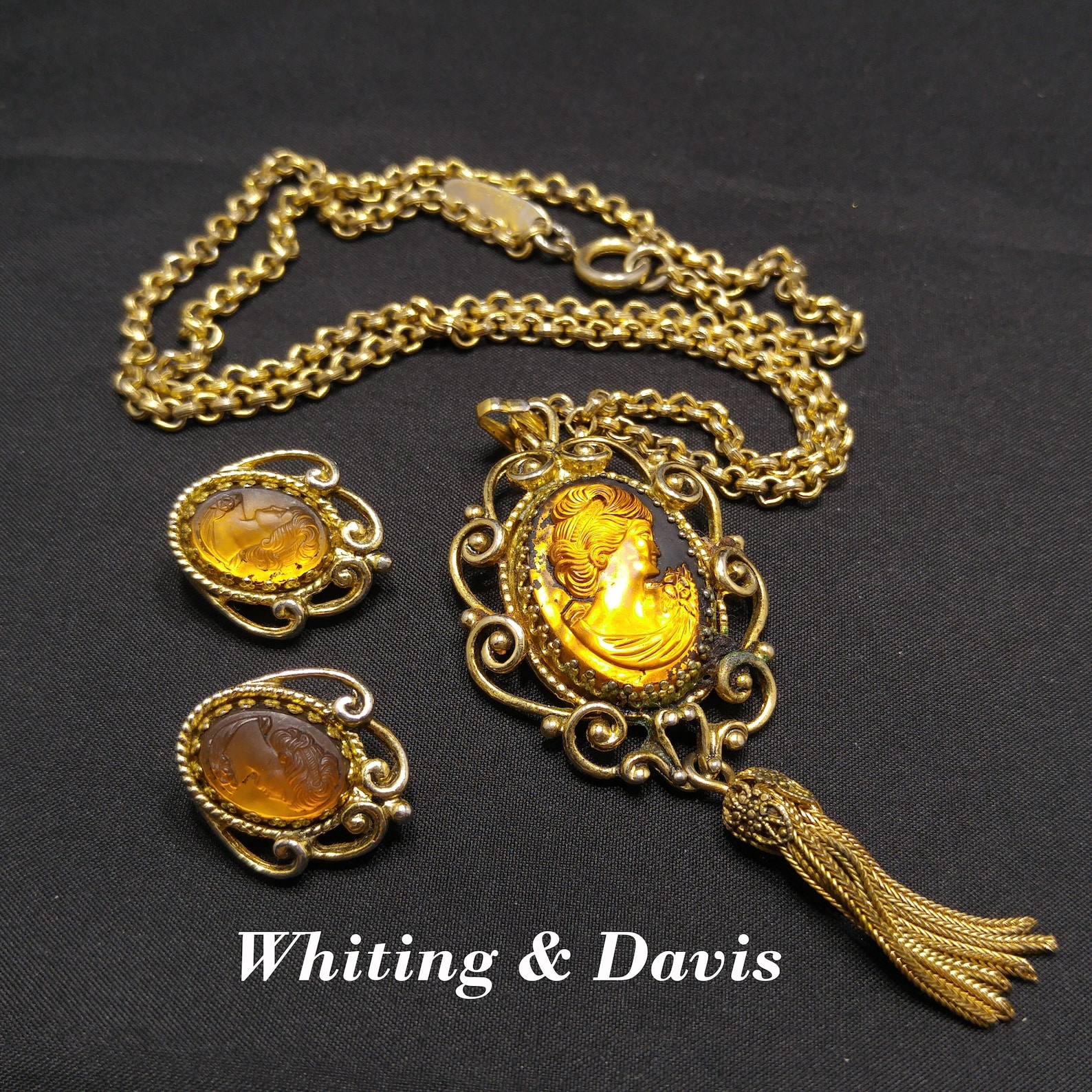
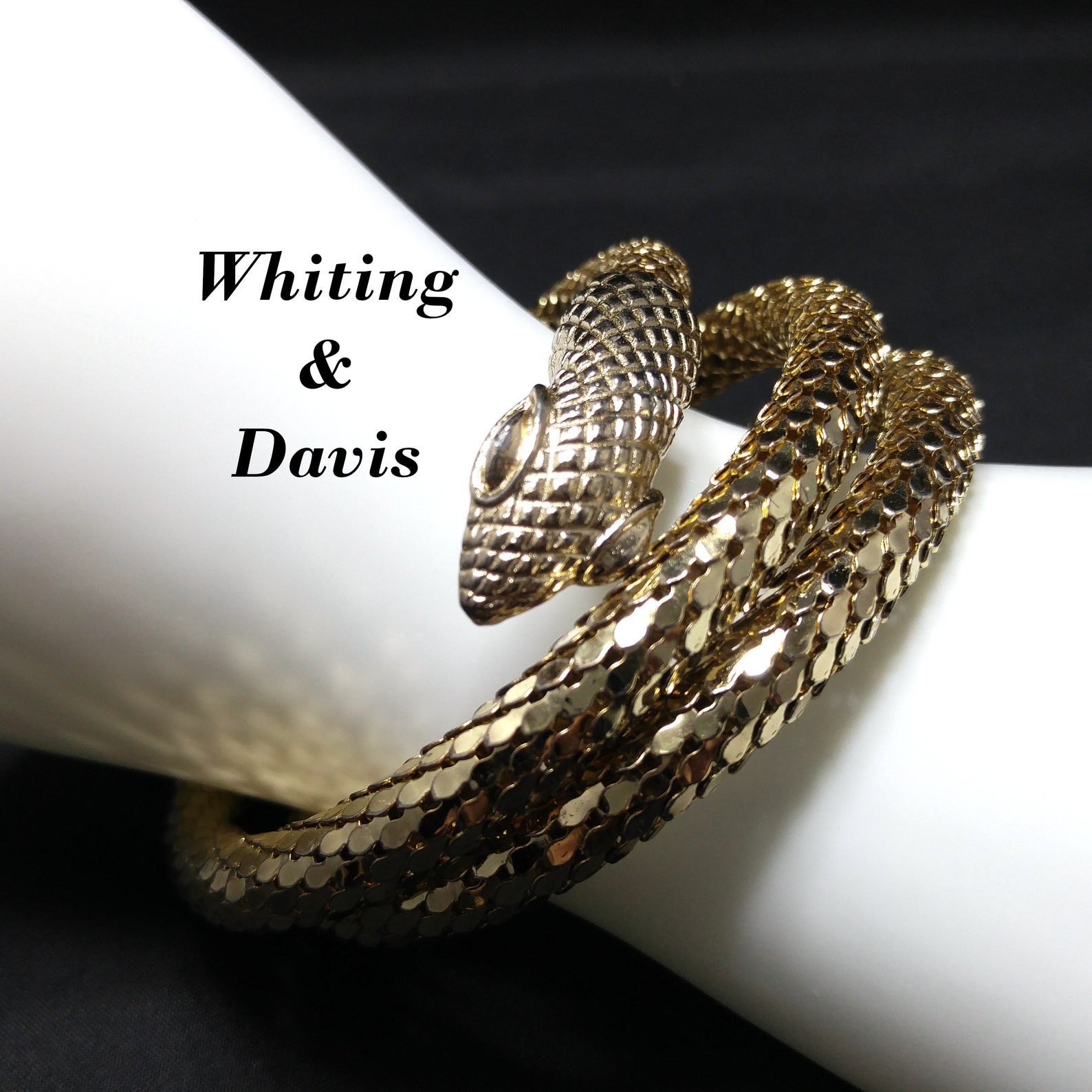
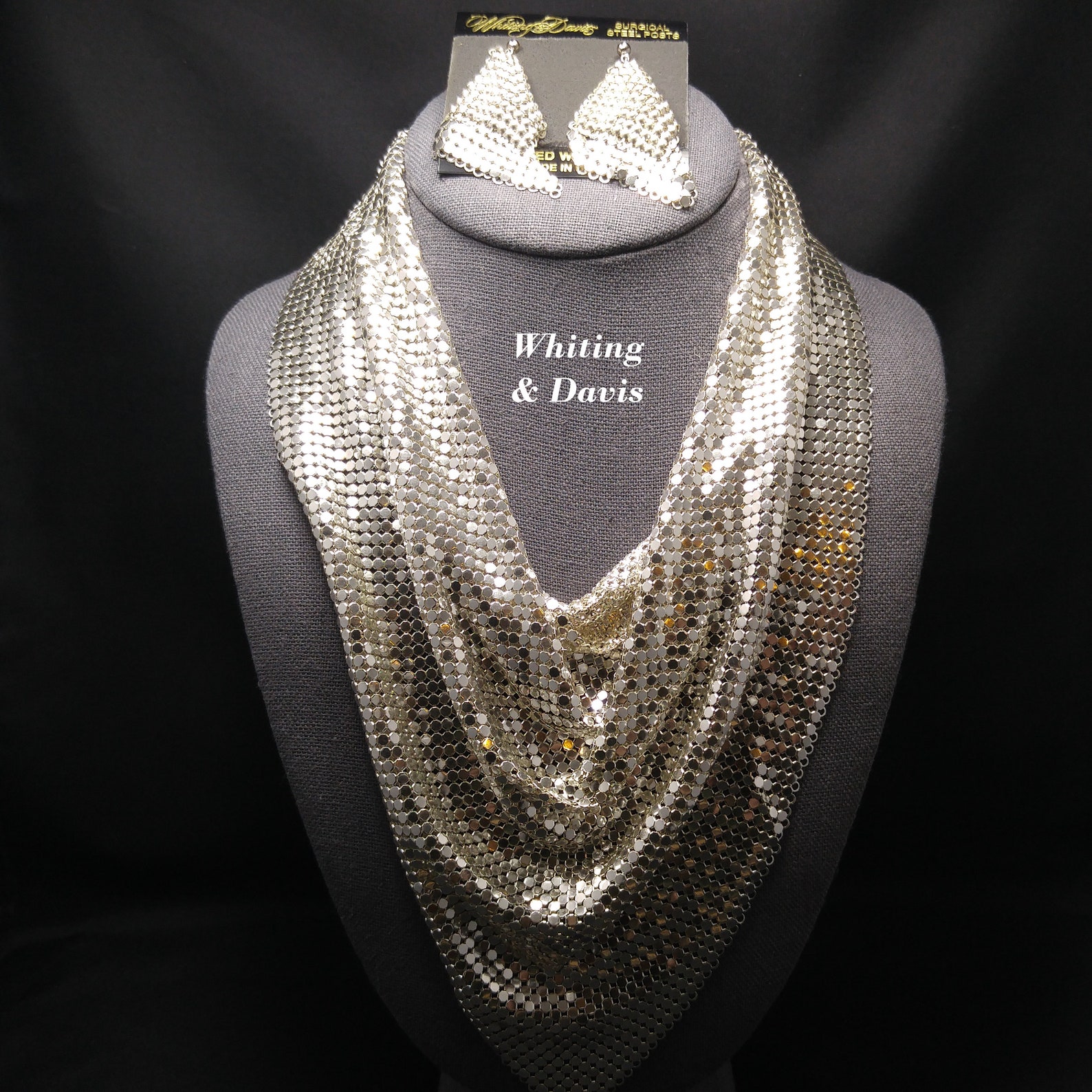
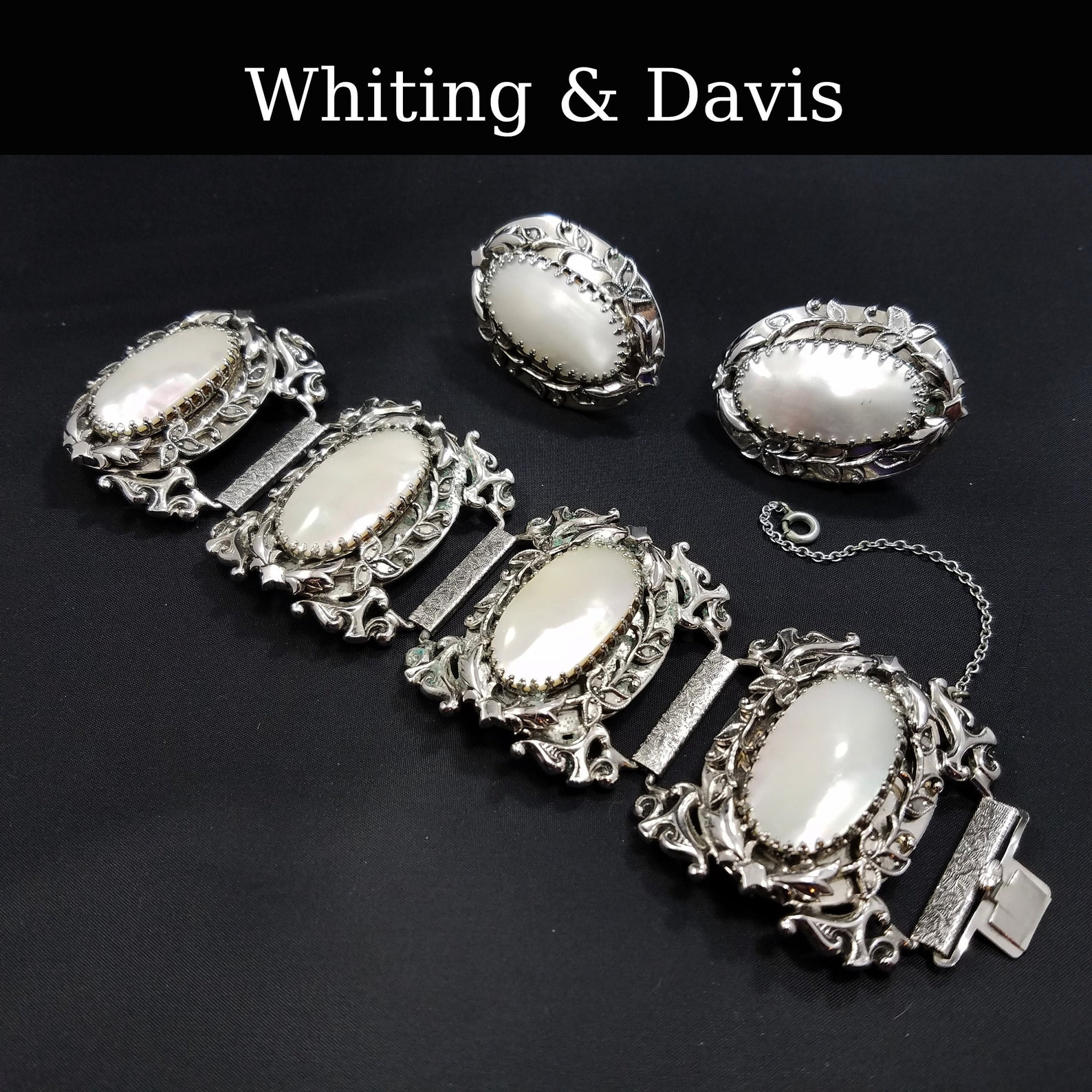
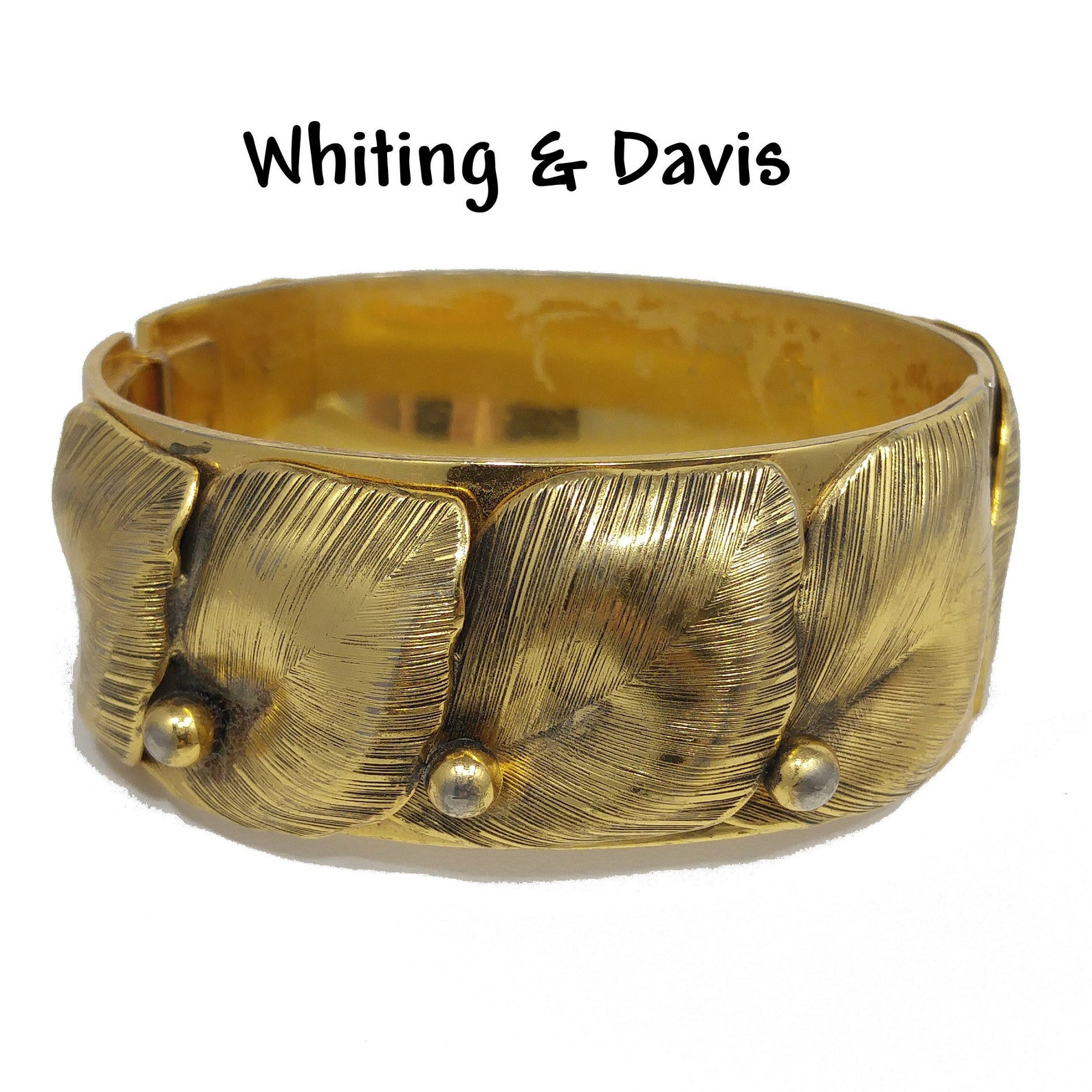
 Whiting & Davis began their company  in 1926 and were famous for their mesh bags and mesh jewelry.  They used heavy gold and silver tone rhodium plating with their signature stamped into the metal or on a metal hang tag.  According to Julia C Carroll in Costume Jewelry 101, she states that it is unclear when the company first produced jewelry, although vintage advertising was available in 1931.  She also states that they made metal jewelry designs which often include open latticework, mesh, and or intricate overlapping metal leaves.  The metalwork often frames one large center piece, such as reverse carved glass cameos. Due to the high quality metal work and stones, the jewelry is highly collectible. During the 1950s, some items were reproductions of vintage museum jewelry.  

******

Our Whiting & Davis Collection - Past & Present


Updated: June 11, 2025

Thursday, February 3, 2022

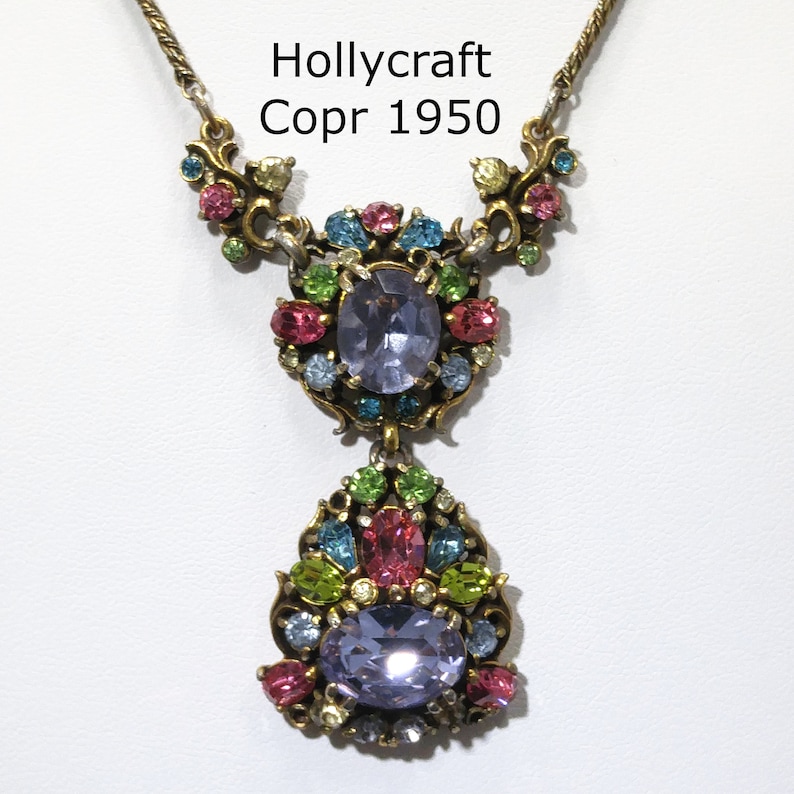
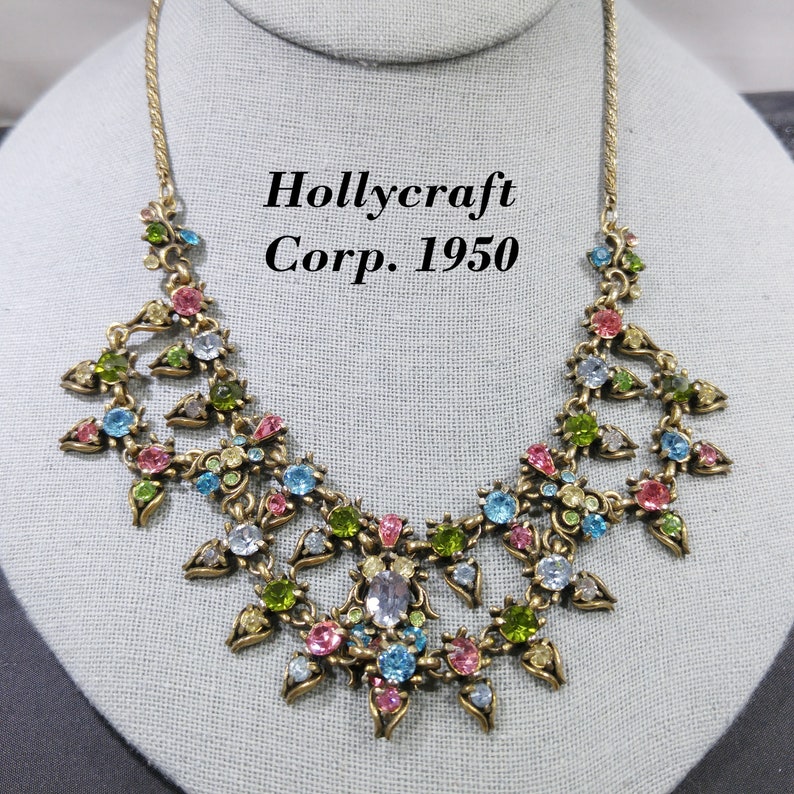
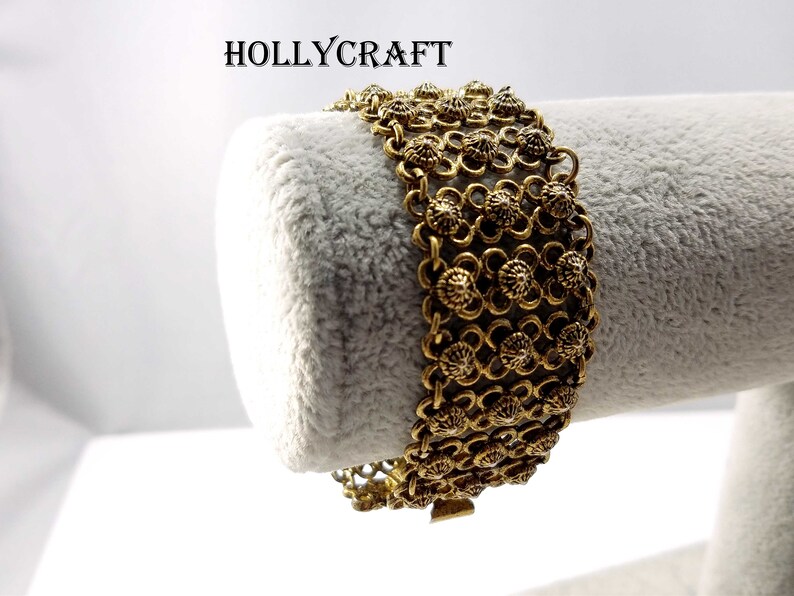
Hollycraft Jewelry

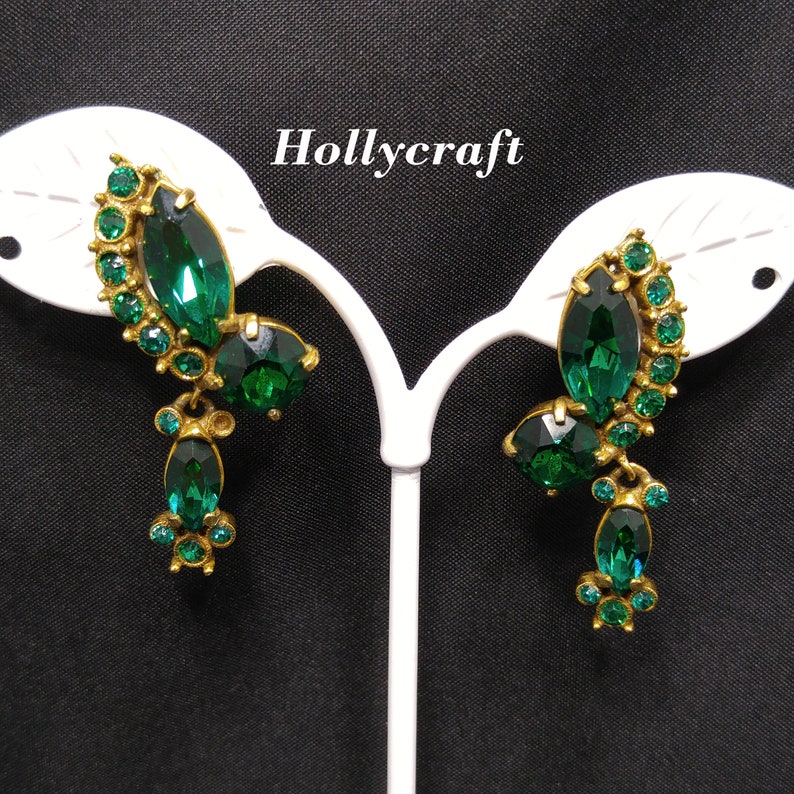
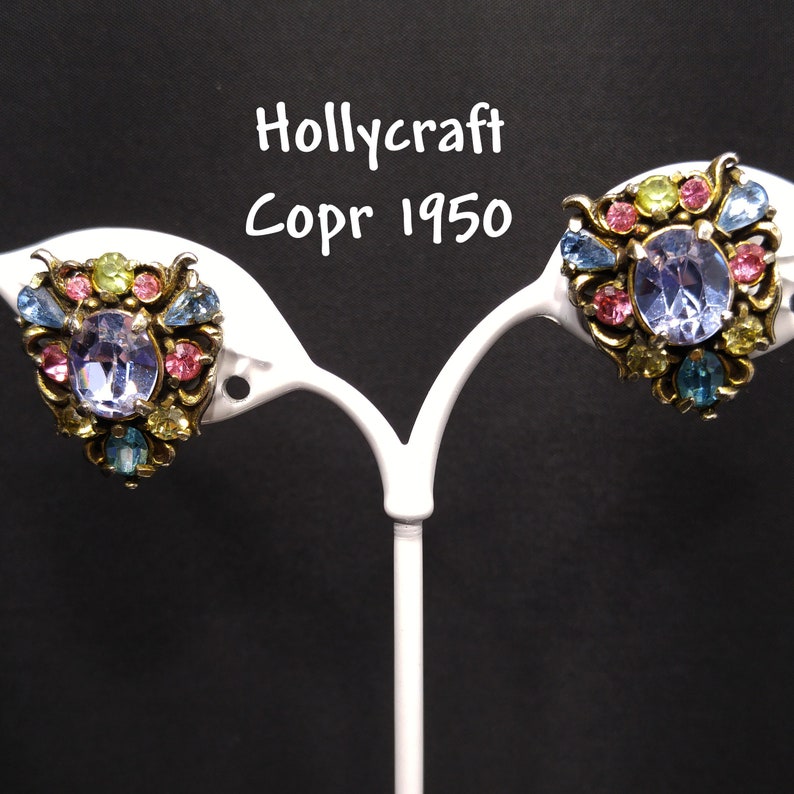
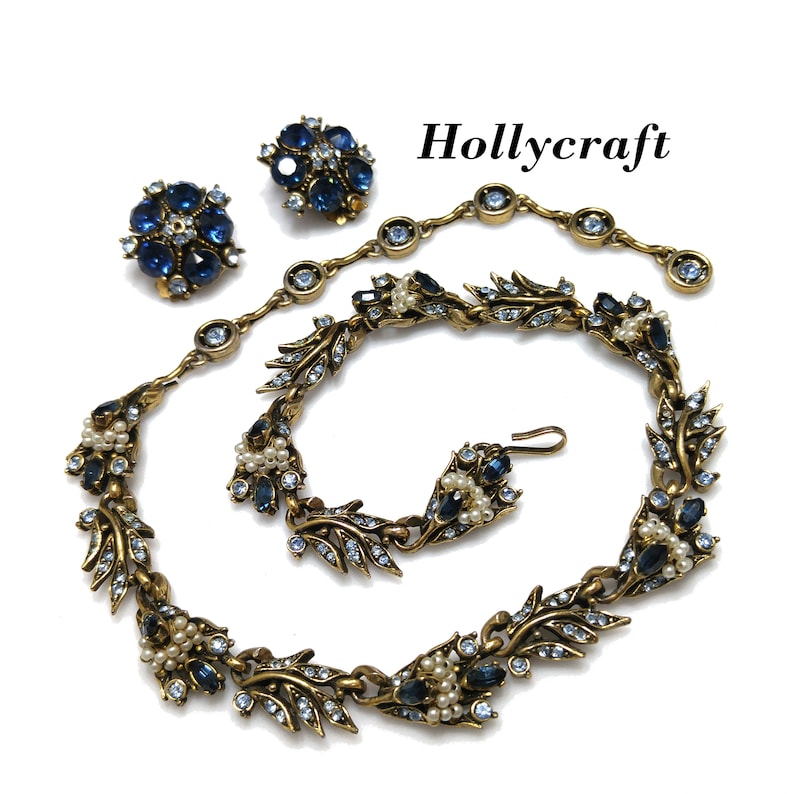
Hollycraft jewelry was designed by the Hollywood Jewelry Manufacturing Company, founded in 1938.  The Hollycraft mark was first used in 1948 and ceased operations in 1971. Hollycraft had a beautiful signature look with feminine designs using pastel colored rhinestones, either all in one color or the popular multicolored designs of the 1950s. (Costume Jewelry 101 by Julia C. Carroll)

*******

Our Past or Present Hollycraft Jewelry


Wednesday, February 2, 2022

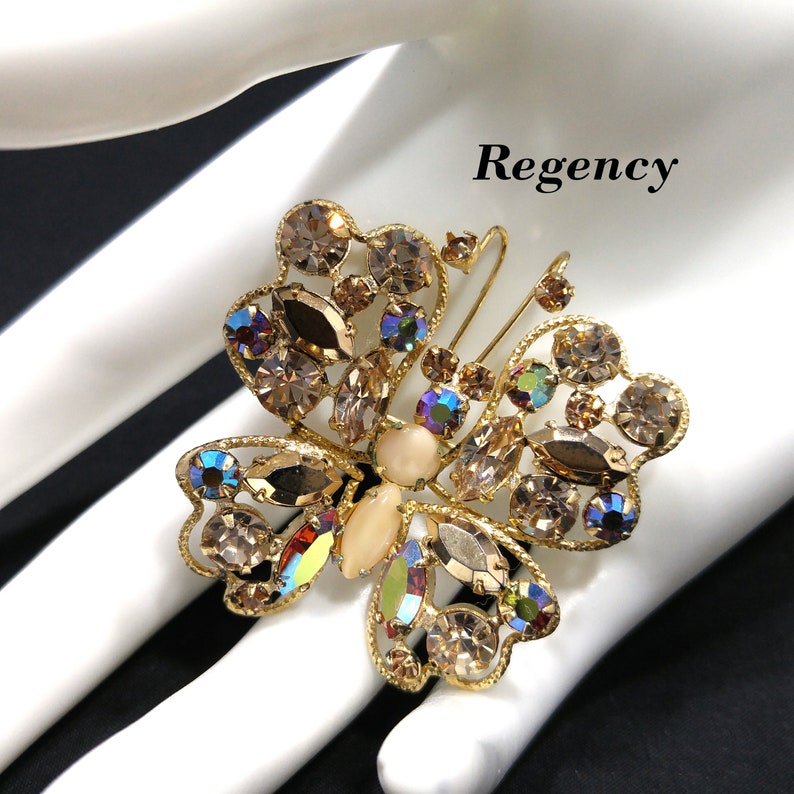
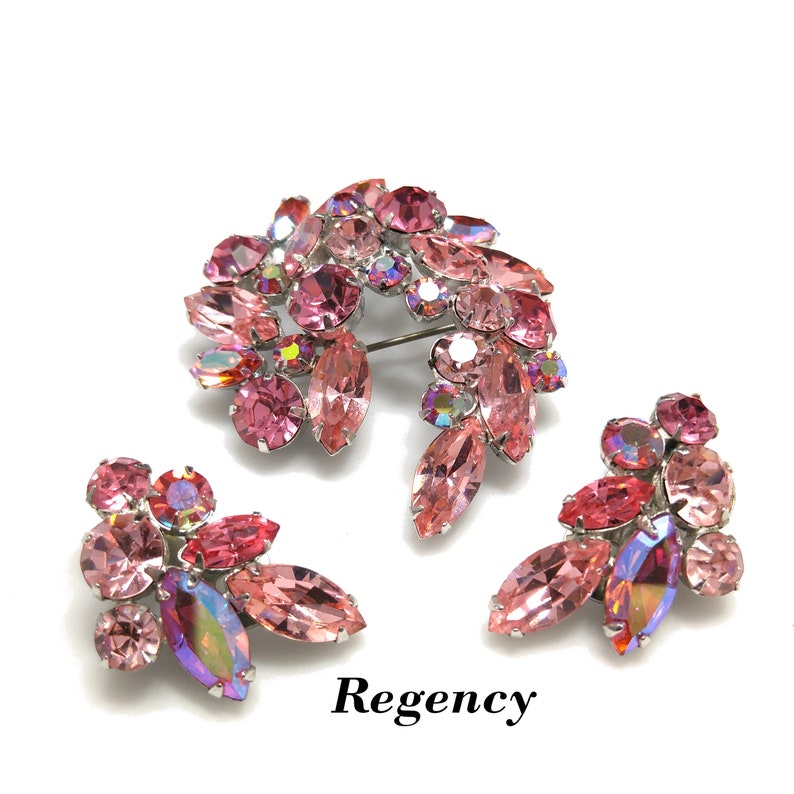
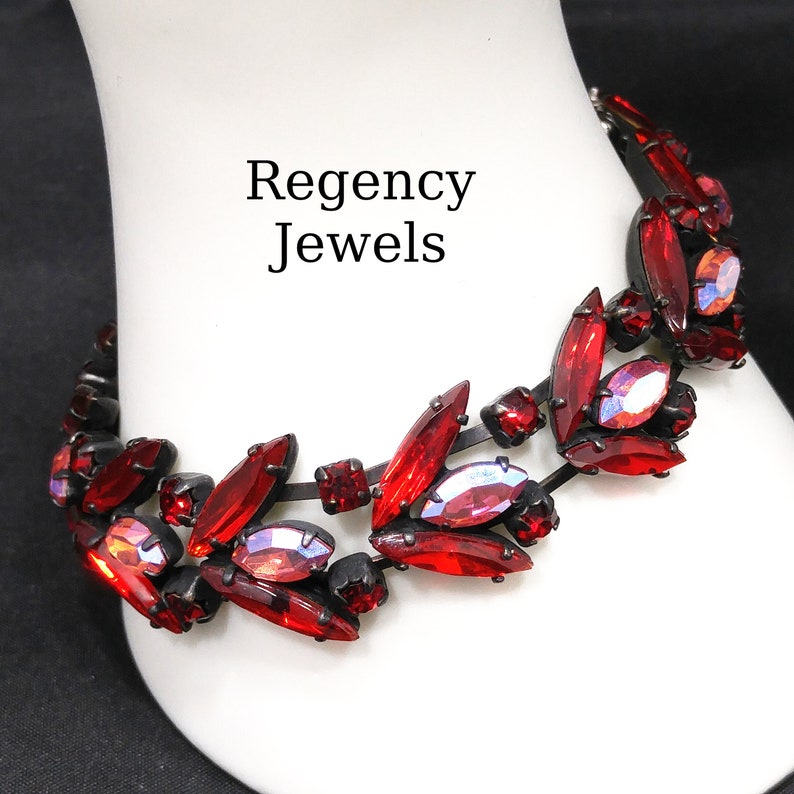
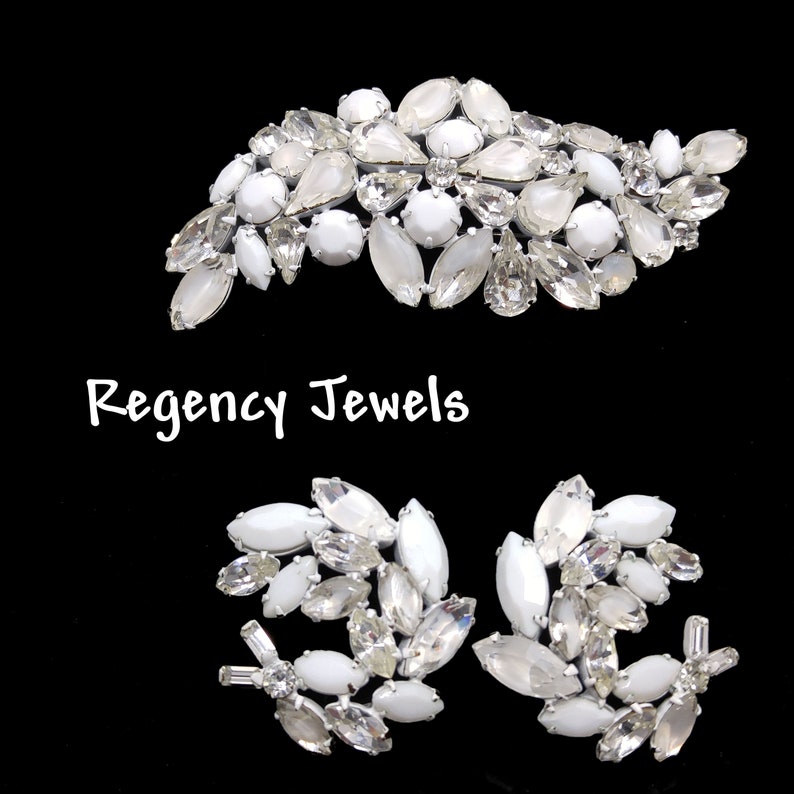
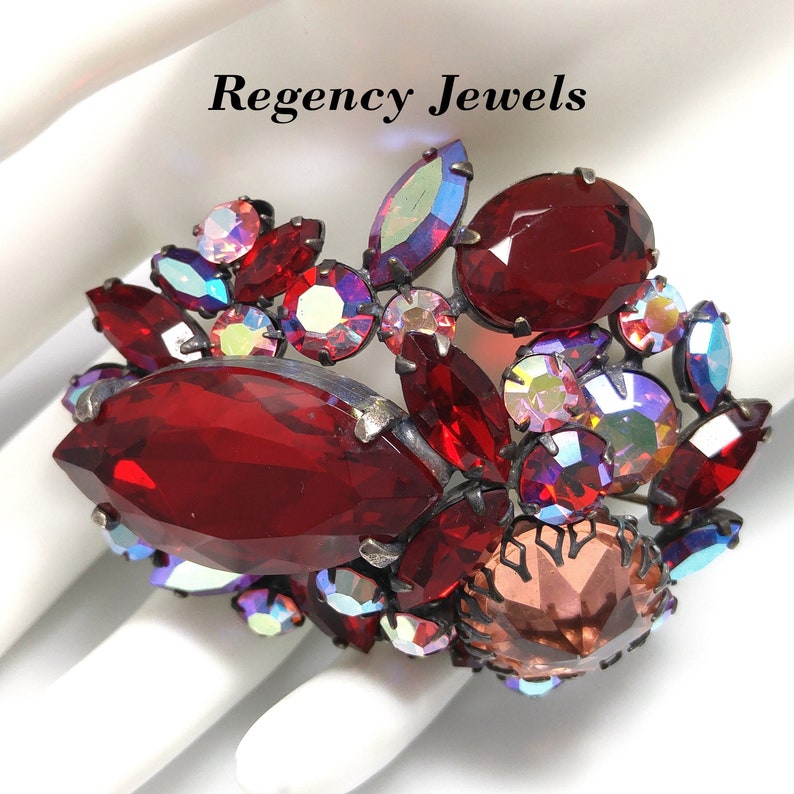
Regency Jewelry : Brief History, Examples of Brooches Front & Back

One of our favorite designers is Regency, which is also known as Regency Jewels. REGENCY is the hallmark for Regina Novelty Company, New York, New York. Regency was in operation from the 1940s to 1970. According to Julia C Carroll in Costume Jewelry 101, “Regency jewelry is beautifully designed and is manufactured with excellent materials. Regency designs have been mistaken for Schreiner or Juliana jewelry. Many of the designs resemble higher end Weiss designs.

Pamela Y. Wiggins of Warman's Costume Jewelry Identification and Price Guide shared this: "Regency jewelry has a distinctive look that most collectors learn to recognize very quickly even before turning the piece over to examine it for a mark." There are some pieces that are unmarked.  Many have a dark gold tone plating or matte plating.  It is in silver or gold tone.  Regency is also known for its molded glass leaves. Beautiful Austrian rhinestones are found on Regency pieces and even though the backs look for worn, the rhinestones are brilliant in sparkle and shine.  

In the late 1940s, Oscar Polowitz sub-conracted with Raymond Albertieri to design and manufacture a new line of high-quality rhinestone jewelry for his company, Regina Novelty Company. This new line of jewelry was called “Regency Jewels.” All of the stones used in Regency Jewels came from Austria.

*********

Here are a few of our Regency pieces.  Some are still listed in our store and others have been sold.  Please notice the gorgeous rhinestones and art glass. 

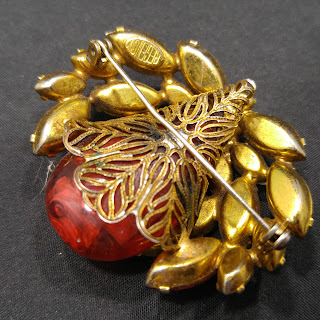
NOTE: If you scroll to the bottom of this section, you will see the front and back of a few of our recently listed Regency brooches.  Regency has a variety of very distinctive looks on the reverse side. Take a look at each one and see how different each brooch looks on the back. 


This is a photo of the front of a Regency brooch paired with the photo of the back:

Pink Regency Brooch Insect Front Photo  
Regency Pink Insect Brooch Back

********
Purple REGENCY Floral Brooch - Art Glass Leaves

Back of Regency Purple Brooch

********

REGENCY Green Floral Brooch

REGENCY Green Floral Brooch BACK

********
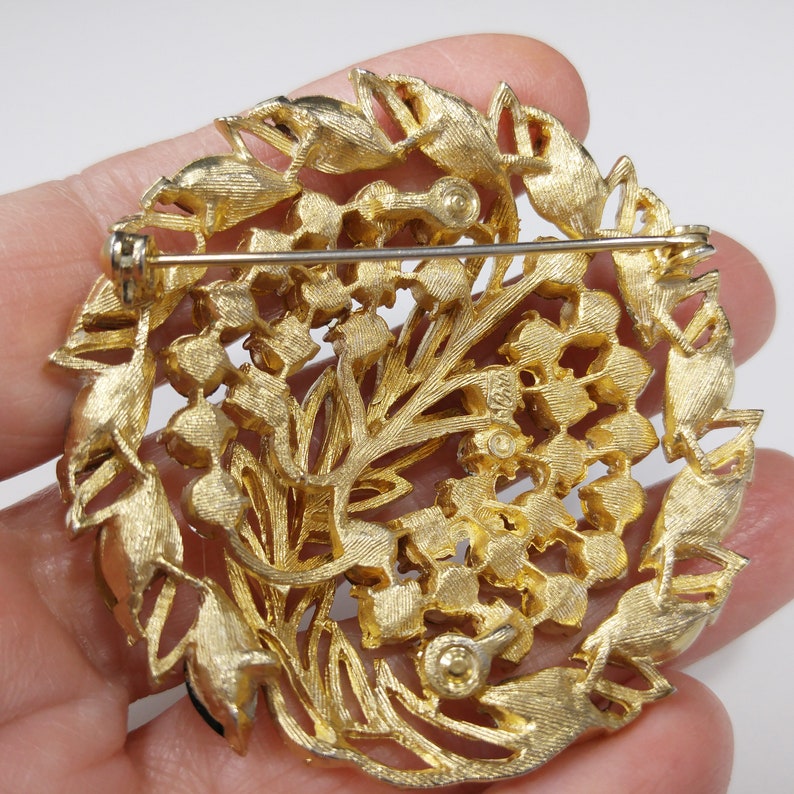
REGENCY Autumn Wreath Brooch

REGENCY Wreath Brooch Back


Monday, October 7, 2019

The Back Side of Vintage Costume Jewelry & Great Reference Books

One of the photos that I include in most of my listings is the back of a piece of jewelry.  The back of the jewelry tells a story and can give you the clues you need when you are trying to figure out the approximate decade when it was produced or was in circulation.  
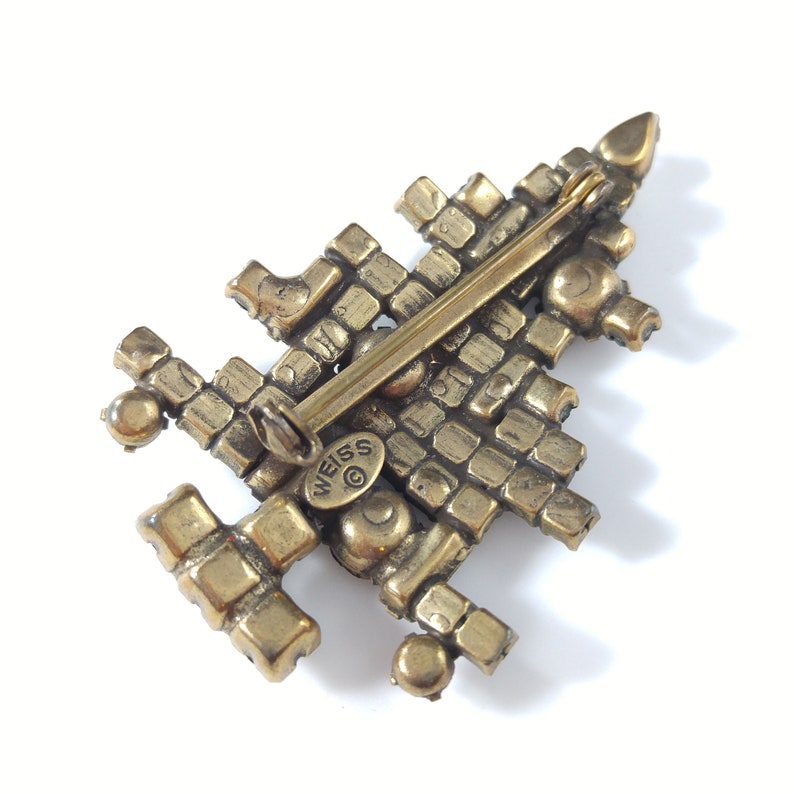
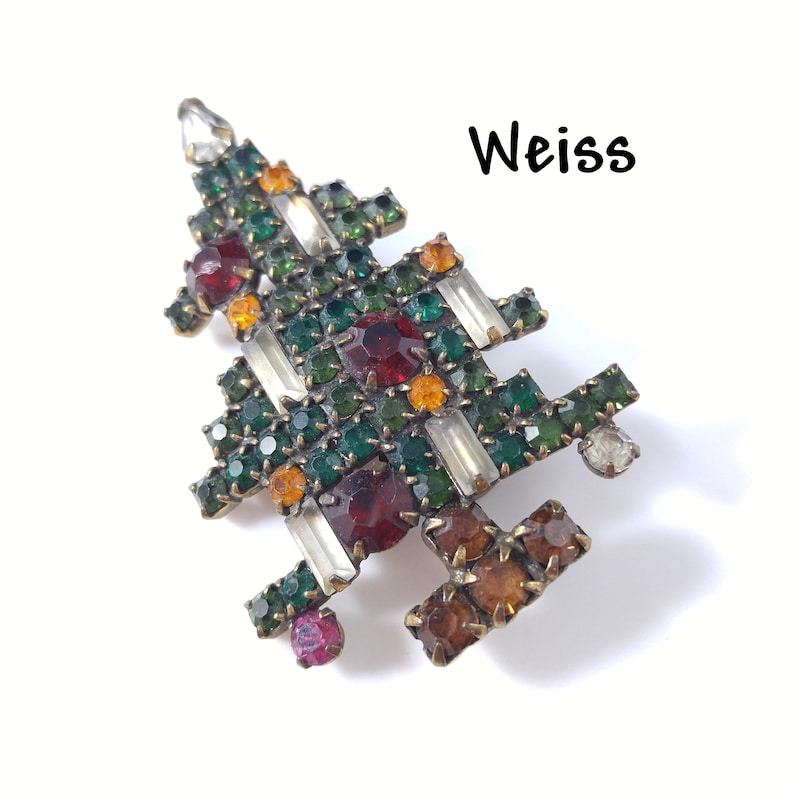
Weiss Christmas Tree - 1950s
The back of the Weiss Christmas tree above shows you that the brooch was signed on the back on a raised cartouche.  It lets you know that the Weiss stamp was curved in an oval shape and the copyright was under the WEISS name.  The front of the brooch is beautiful and if you follow Weiss, you might immediately recognize the brooch, but you won't know for sure that it is authentic until you see the back. 
Weiss Christmas Tree - 1950s
One of my favorite reference books, now almost 20 years old, is one in a series.  The first book in the series is "Collecting Jewelry 101" by Julia Carroll. I have linked the book below for your review.  The book is quite expensive now because the 2nd Edition was written in 2007.  

The reason, in my opinion, that this book is so valuable is because Carroll emphasizes examining the backs of jewelry pieces and gives visual examples.  

As a retired teacher, I love learning, researching, and expanding my knowledge.  Since my retirement, my focus has been on reselling vintage costume jewelry so I spend lots of time reading all types of materials to learn as much as possible about jewelry.  It is a never ending process but an exciting one.  This book talks about how important it is to review carefully each piece of jewelry.  It was one of the first vintage jewelry reference books I added to my reference collection and after using this book over and over, I purchased the two other books in her series, which follow the title of 101, making them easy to recognize.  For your reference, I have linked them below. 

I purchased the last book in the series, "Collecting Costume Jewelry 303" several years ago and will continue to use it regularly as a reference. You should watch the prices as they change with how many used books are available.  At the time I purchased mine, I paid almost $100 for the last book.  I see at the time of this writing, there are ones available much less expensive. 


The reason her books are so valuable, as I mentioned before, is they show you the back of many of the pieces that were sold during a particular time period.  After you review her books, you start to recognize when a piece was probably made because of the look of the jewelry back. 


This is a piece of Coro jewelry and I have taken a photo of the back and attached it to my listing of this brooch.  You can see in the photograph that the Coro has a little Pegasus in front of the name.  This allows you to date this jewelry.  The addition of the Pegasus with the name Coro puts the jewelry circulation in a time period.  If you could not see the back of the brooch, you would have far less clues to identify the age of this brooch.  

The front of the Coro Pegasus brooch is beautiful but seeing the back of the brooch also helps tell the story that goes with the brooch.  Since the Coro has a Pegasus and a copyright, we place this brooch around 1955. 

If you are studying how to identify when costume jewelry was in circulation, these three books, 101, 202, and 303 by Julia Carroll are ones you will want to purchase and add to your reference library.  I love books but some I use and donate.  These books will stay in my library as I use them as a reference regularly.  

Hope you found this information useful.

Trifari Vintage Jewelry

  A Sparkling Legacy: The History of Trifari Costume Jewelry (Pre-2000) A Sparkling Legacy: The History of Trifari Costume Jewelry (Pre-2000...